

Fabric GSM, Composition, Stretch and Hand Feel Explained
Understand apparel fabric GSM, composition, stretch and hand feel, and record the material details buyers need for a clearer sample and quote review.
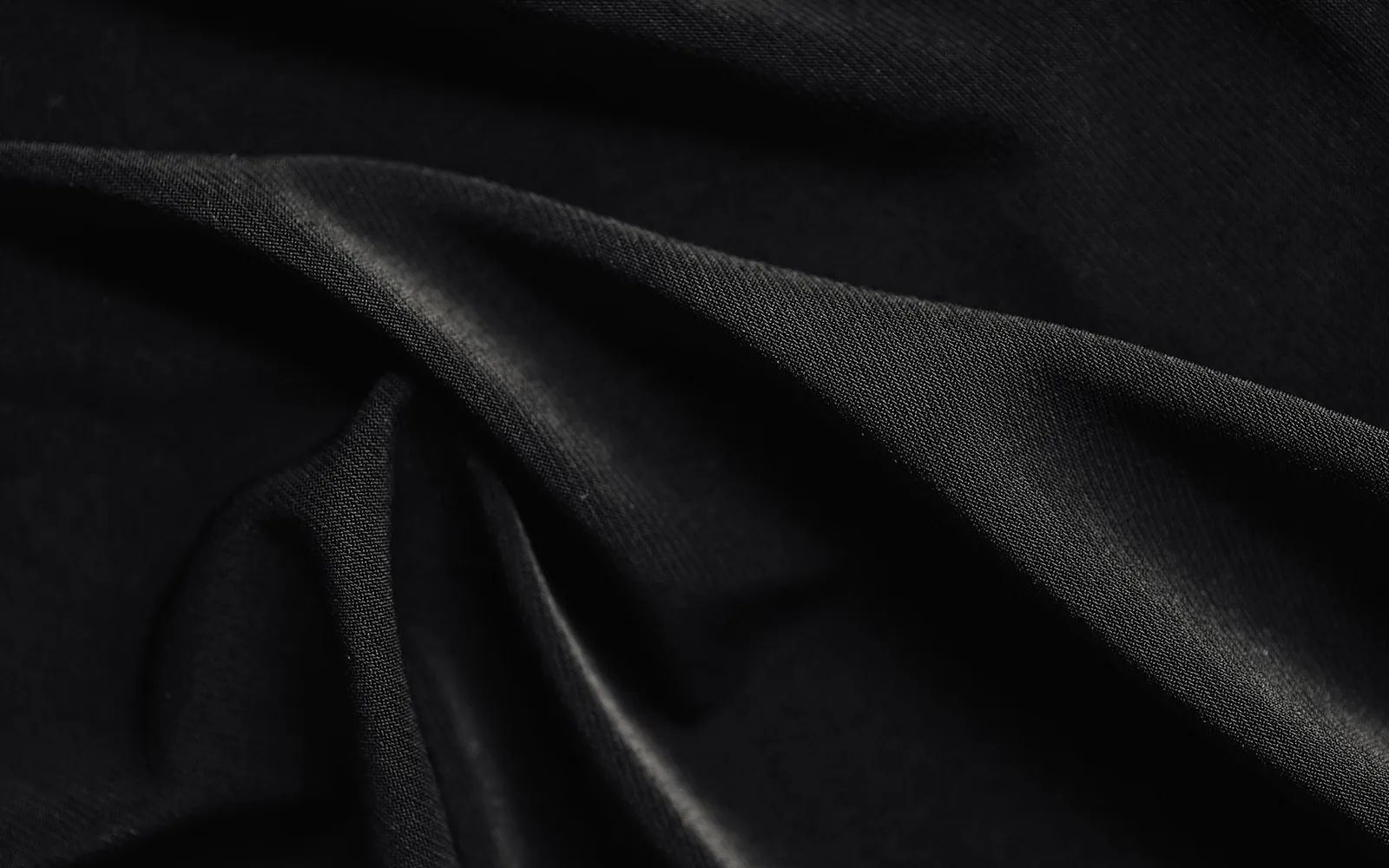
Fabric names alone are not complete specifications. Two fabrics described as polyester or cotton can behave very differently because of weight, yarn, construction, finish and stretch. Buyers should connect measurable data with the intended garment and an approved physical reference.
GSM describes weight, not quality
Grams per square meter helps compare fabric mass. A higher GSM may feel heavier or more substantial, but it is not automatically better. The suitable range depends on silhouette, opacity, climate, drape, durability needs and construction.
Composition describes fiber content
Composition affects feel, care, moisture behavior, recovery and labeling, but percentage alone does not predict the final result. A blend must still be reviewed together with knit or weave structure and finishing.
Stretch and recovery are separate
Stretch describes how far material extends in a direction. Recovery describes how well it returns after extension. Both matter for fitted pants, waistbands and swimwear. Record the test method or compare against an approved swatch to avoid vague terms.
Hand feel needs a shared reference
Words such as soft, dry, crisp or buttery are subjective. A swatch, existing garment or approved sample gives those words a common reference. Wash and wear conditions may also change the feel.
Practical application
A common mistake to avoid
Selecting fabric by composition and GSM alone can produce the wrong drape or recovery because construction and finish are missing. A 200 GSM knit and a 200 GSM woven do not behave alike. Marketing fabric names can also vary between suppliers.
What to record
Give every approved swatch a code and record supplier, composition, construction, width, weight, color, finish and approval date. Keep one retained reference when possible. Note whether bulk production must match a measured value, the physical swatch or both.
How to use this in a supplier conversation
Explain the garment function first, then ask for options with their measurable data. Request enough material for relevant sample or wash review before committing to bulk. Compare the finished garment behavior rather than choosing from a spreadsheet only.
Buyer checklist
- Composition and fabric construction
- Target GSM or approved swatch
- Stretch direction and expectation
- Recovery and opacity needs
- Finish, color and care context
MANRALIN perspective
MANRALIN reviews fabric around the intended product. Final material selection should be confirmed through the agreed sample or swatch rather than relying on a broad fabric name.