
From Reference Image to Sample: A Practical Apparel Development Process
How an apparel reference becomes organized development questions, a pattern, a sample and a clearer production decision.
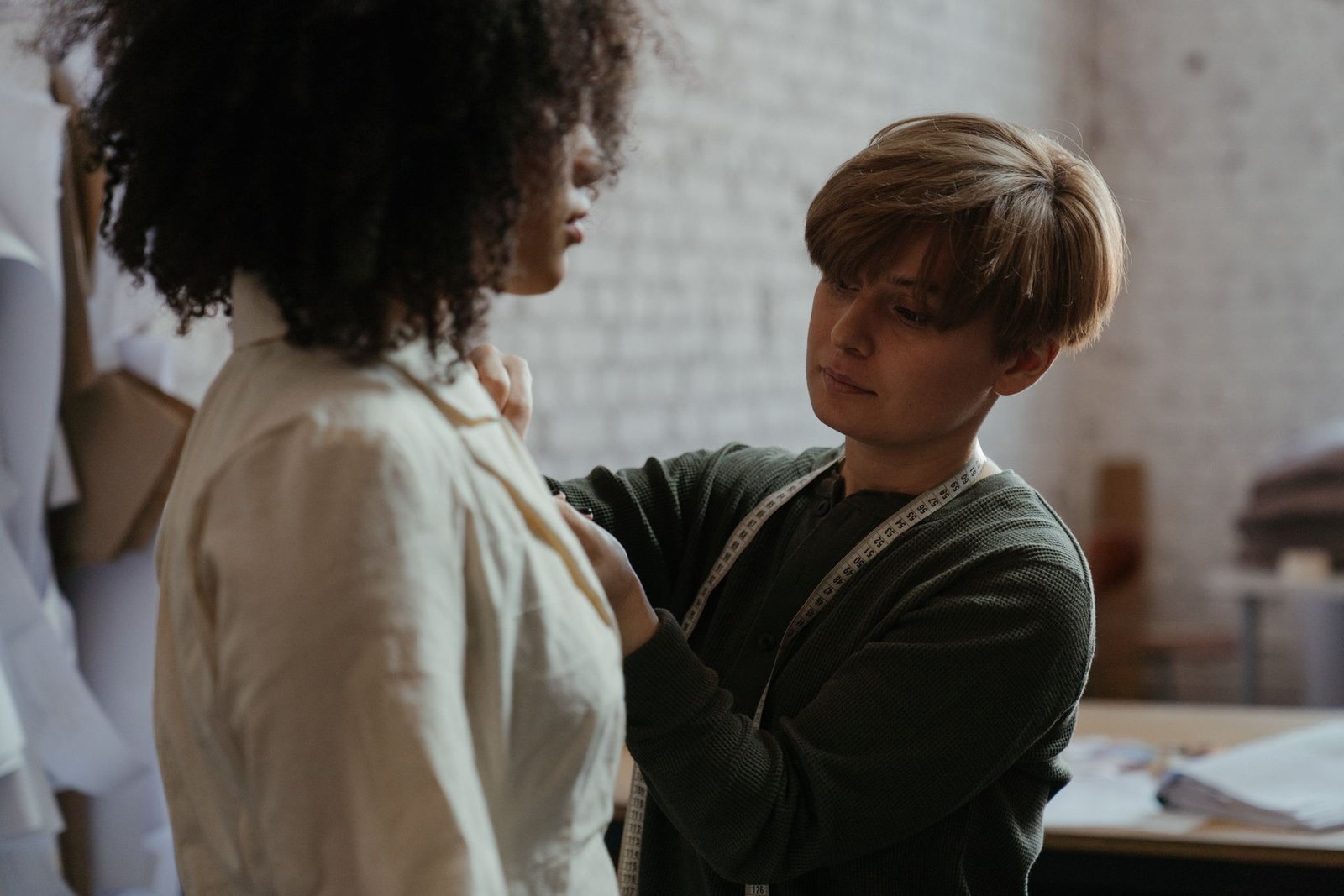
A reference image is a useful starting point, but it is not the complete product specification. The development work begins when the image is translated into decisions about fit, materials, construction, branding, quantity and the intended production route.
1. Read the reference as a brief
First, identify what the reference actually shows. Note the silhouette, proportions, seams, panels, closures, pockets, straps, trims and visible branding. Then list what cannot be confirmed from the image, such as the fabric composition, measurements, lining, inside construction or packaging.
A buyer does not need to solve every unknown before making contact. The useful move is to label the unknowns so they can be reviewed rather than silently assumed.
2. Organize the development questions
The next conversation should connect the visual reference to the commercial context. Share the target market, expected quantity, size range, color count and any private-label requirements. Explain which details must remain close to the reference and where the product can be adapted.
These questions help determine whether the most useful route is ready-to-order sourcing, reference-based sourcing, private-label adaptation or custom development. OEM, ODM, JDM and CMT are production paths that should be discussed around the actual brief, not treated as interchangeable labels.
3. Build the pattern and first sample
Once the direction is clear, the pattern and sample work can translate the proportions into a physical product. MANRALIN has an independent design and pattern room for this development work, supported by a garment factory foundation with 20 years of production experience.
The first sample is a learning step. It should be reviewed against the reference and the buyer’s intended fit, not judged only by whether it looks similar in a single photograph.
4. Review with evidence
Use front, back and detail photographs together with measurement notes. Separate changes into fit, fabric, construction, color, branding and packaging. A numbered revision list makes it easier to see which comments are open and which decisions are approved.
For complex pants or swimwear directions, review the areas that are easy to miss in a reference image: waistband or strap tension, lining, seam finishing, pocket or panel placement, closures and edge treatment.
5. Confirm the production route
Before bulk production, confirm the approved sample, specifications, fabric, colors, trims, branding, packaging and quantity. MOQ and pricing depend on the complete specification. A suitable product may start from 50 pieces, but no single MOQ applies to every fabric, color, construction or customization.
Production and quality-control checks should remain connected to the approved product information. MANRALIN records production quality checks daily, giving the buyer a clearer point of reference as the order moves forward.
You can review MANRALIN’s sourcing routes, see how quality control is organized, or send a reference image to begin with the right questions.