

Garment Measurement Tolerances: A Practical Buyer Guide
A practical garment measurement tolerances guide for buyers covering points of measure, tolerance tables, grading context, fit samples and approval records.
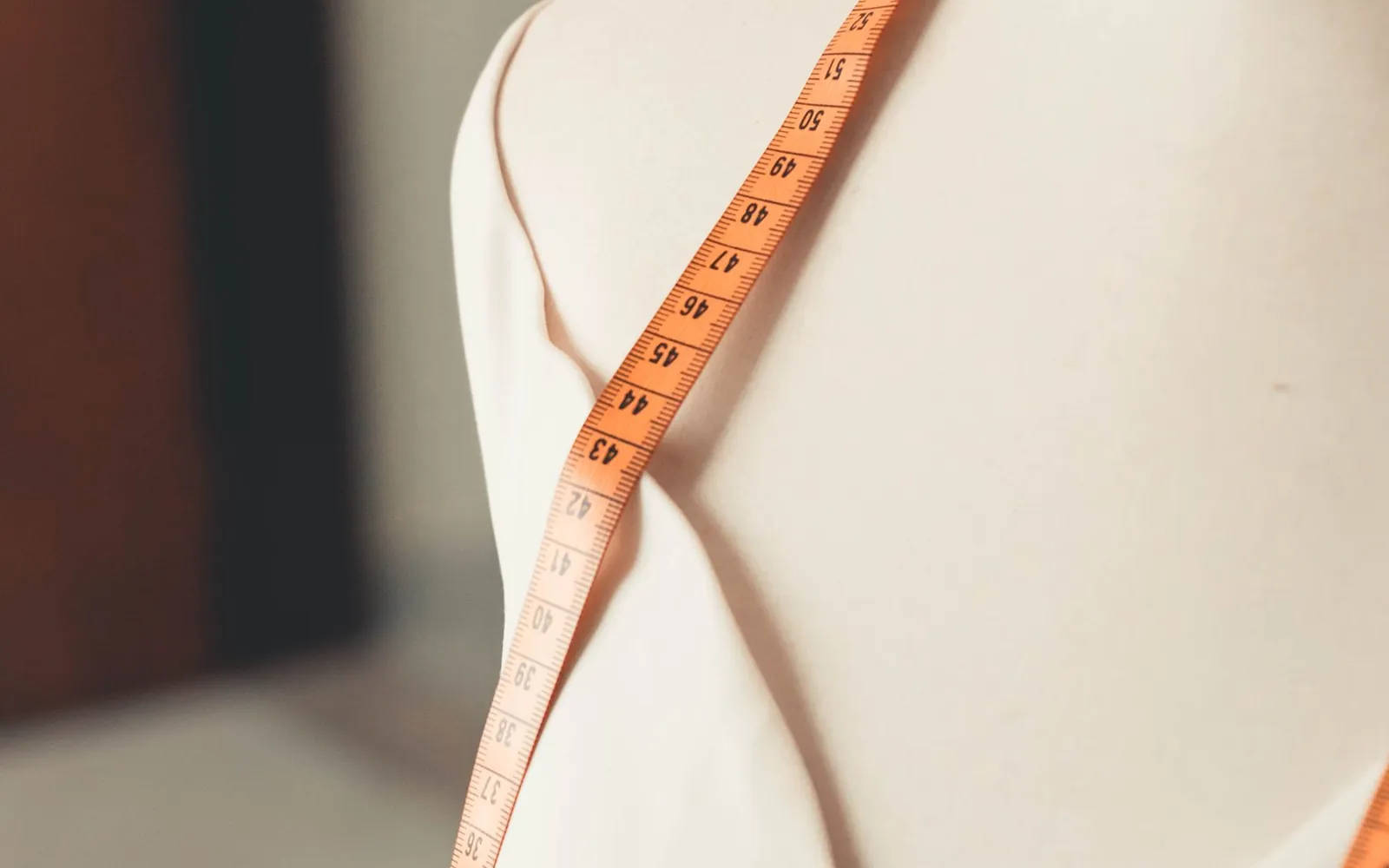
A garment tolerance is the permitted difference between a target measurement and an observed measurement. It is not a substitute for a correct pattern or an excuse for poor fit. Tolerances should reflect the product, fabric, construction and importance of each measurement point.
Define the measurement method
Name each point, show it on a diagram and state how the garment is positioned. Waist, rise, hip, inseam and opening measurements can vary if tension, alignment or folding method changes.
Use product-specific tolerances
A critical fitted area may need different control from a less sensitive length. Stretch fabrics, elasticated components and washed garments require methods that account for relaxation and conditioning.
Review patterns across sizes
A base-size approval does not prove that every graded size is correct. Check key grade increments and consider measuring more than one size before or during bulk production.
Treat trends differently from isolated results
One unit outside tolerance and a whole batch shifting in the same direction are different signals. Record measured values so patterns can be seen, then connect corrective action to the affected operation.
Practical application
A common mistake to avoid
Applying one tolerance to every point ignores how garments are constructed and worn. Measuring elastic under different tension or measuring an unconditioned garment can create disagreement even when the product has not changed.
What to record
The measurement sheet should include diagrams, method notes, targets, tolerances, sample size and actual readings. Record whether measurements are taken before or after wash, steaming or relaxation. Keep units consistent.
How to use this in a supplier conversation
Ask the supplier to demonstrate the measurement method for critical points during sample review. If repeated readings differ, align the method before debating the pattern. Focus corrective action on systematic shifts and fit impact.
Buyer checklist
- Point-of-measurement diagram
- Target measurement by size
- Tolerance by measurement
- Conditioning and tension method
- Recording and recheck rule
MANRALIN perspective
MANRALIN connects measurement checks to the approved sample and current specification. The buyer's own fit and tolerance standards remain the controlling reference when supplied.
Review measurement control or Share a measurement sheet.
Short answer: A garment tolerance is the permitted difference between a target measurement and an observed measurement. It should be defined by product, fabric, construction and measurement method. One universal tolerance applied to every point can hide fit problems or create unnecessary disputes.
Start with a clear point of measure
Each measurement should have a name, diagram and method. State where the tape starts and ends, whether the garment is laid flat, whether elastic is relaxed, and whether the measurement is taken before or after steaming, washing or conditioning.
For pants, buyers may need to define waist, hip, front rise, back rise, thigh, knee, inseam, outseam, leg opening and pocket opening. For swimwear, coverage, strap position, leg opening and elastic tension may be more important than a simple body width.
Set tolerances around product risk
A fitted waist, neckline, pocket opening or swimwear edge may have a different commercial impact from a less visible length. Stretch fabric, elastic and washed products also need a method that reflects their behavior. The tolerance is a control range, not a replacement for correct pattern development.
When a buyer has an existing measurement standard, include it in the specification. When the standard is still being developed, use the sample review to agree the target, method, tolerance and correction priority together.
Check more than one size
Approval of one base size does not prove that grading works across the range. Check key points in at least the sizes that represent the beginning, middle and end of the intended size set when the program requires it. Look for systematic shifts rather than treating every reading as an isolated failure.
What a useful measurement sheet contains
- Style name, revision and sample version
- Point-of-measure diagram and written method
- Target measurement and unit
- Product-specific tolerance
- Size range and sample size
- Actual readings and date
- Correction owner, action and recheck result
Questions buyers often ask
Is a tolerance the same as acceptable fit?
No. A garment can fall inside a numeric range and still fit poorly if the pattern balance, fabric behavior or construction is wrong. Measurement data should be reviewed with the physical sample.
Why do repeated measurements disagree?
The garment may not be positioned consistently, elastic may be pulled with different tension, or the product may need time to relax. Align the method first, then compare readings.
What should change after a measurement failure?
Identify whether the issue comes from the pattern, marker, cutting, sewing operation, finishing or measurement method. Correct the source and confirm the result with a recheck.
Next step
Share the measurement chart with your product brief, or review the MANRALIN sampling and approval route.