

How to Prepare a Pants Product Brief for a Factory
A practical checklist for turning a pants idea into a clearer factory conversation, from fit and fabric to quantity and branding.
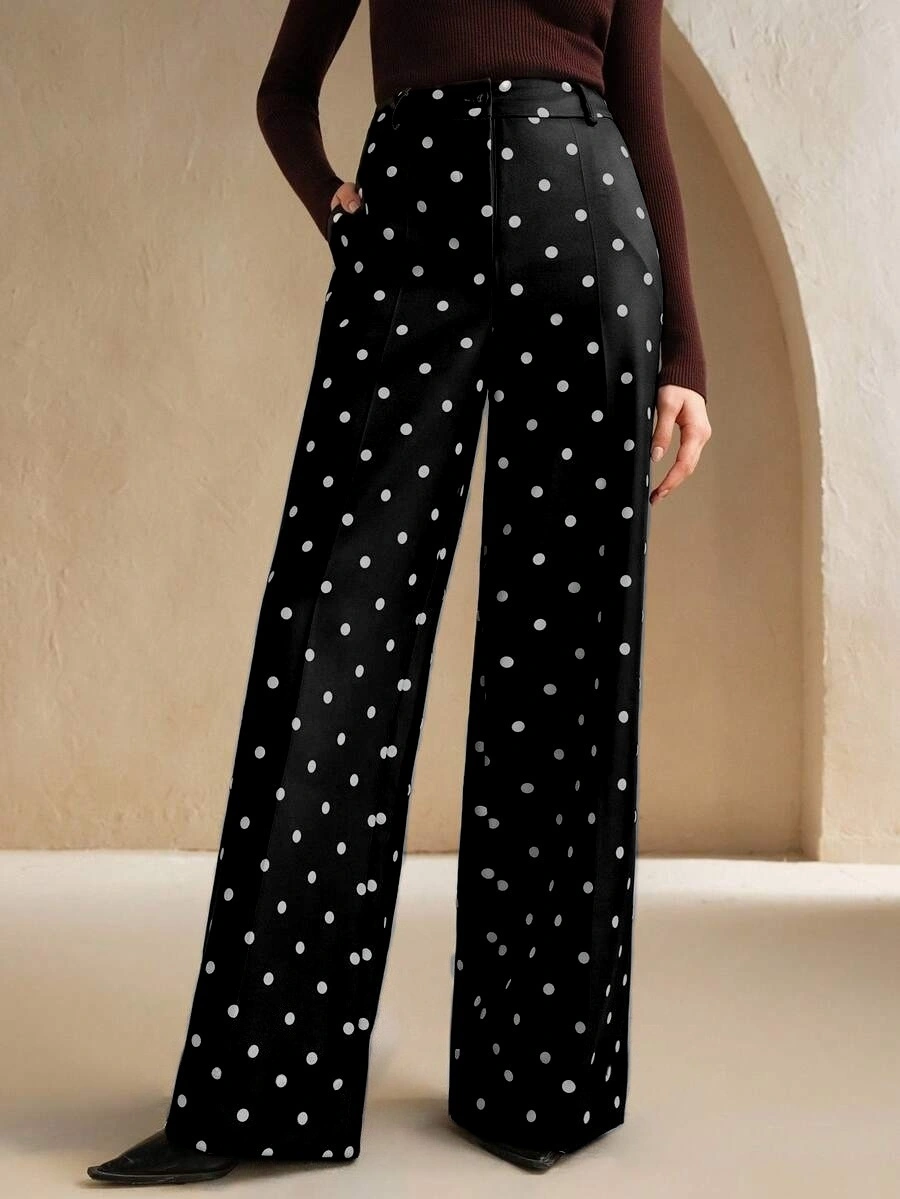
A strong pants product brief does not need to be long. It needs to make the important decisions visible and identify the questions that are still open. When a buyer shares the right context at the beginning, a factory or sourcing team can spend more time reviewing the product and less time guessing what the brief means.
Start with the product direction
Begin with one clear sentence: what kind of pants are you developing, and for whom? Casual pants, sports pants, yoga pants, trousers and shorts may look similar in a first reference image, but their fit, fabric performance and construction priorities can be different.
Include a reference image, physical sample, technical pack or annotated sketch. If you are working from an existing product, note which parts should stay close to the reference and which parts should change. This prevents a development conversation from treating every visual detail as fixed.
Make fit and construction visible
A useful brief should identify the intended fit and the measurements that matter most. Depending on the style, that may include rise, waistband, inseam, leg opening, pocket position, pleats, hem shape or ease. You do not need to have every measurement finalized before the first conversation, but you should mark the measurements that are fixed and the ones that need review.
- Intended fit: relaxed, straight, tailored, wide-leg or performance.
- Key measurements and size range.
- Waistband, closure, pocket and hem construction.
- Stretch, recovery, weight and hand-feel requirements.
Separate materials from visual decisions
List the preferred fabric if it is known, but also describe the function the fabric must provide. A reference color does not explain whether the buyer needs a crisp woven, a soft fleece, a stretch performance fabric or another construction direction. Note the base color, print or wash direction, and whether the supplier should suggest alternatives.
The same applies to trims. Include labels, embroidery, print, hardware, drawcords, hangtags and packaging as separate decisions. This makes it easier to review what affects the product itself and what belongs to the private-label presentation.
Add quantity and market context
Quantity is part of product development, not only a later purchasing detail. Share the estimated quantity by style or color, target market, preferred size range and any important retail or launch context. MOQ is not universal: fabric availability, color count, trims, construction, packaging and supplier setup can all affect the practical route.
Public prices should be treated as planning references from the listed MOQ. A final quotation follows the confirmed fabric, color, trims, customization, packaging, quantity and order details.
What to send in the first message
- One clear product reference.
- The intended pants direction and target market.
- Estimated quantity and color count.
- Known fabric, fit, size and construction requirements.
- Branding, trims and packaging needs.
- The decisions you want the factory or sourcing team to review.
MANRALIN supports pants sourcing and development from product references or technical information. Our independent design and pattern room can help organize development questions, while the factory foundation brings 20 years of garment production experience. See the product sourcing routes or send us a pants brief.